
You’ve finally cleaned out your garage. Old furniture sits on the curb. Boxes of electronics fill your driveway. But here’s the question most people never ask: where does all this stuff actually go?
Most junk removal companies in Springfield, MO will haul your items away, but what happens next matters more than you think. Some companies dump everything in a landfill. Others take the time to sort, recycle, and donate. The difference affects our environment, our community, and our future.
Let’s talk about what really happens to your junk after it leaves your property.
Why Eco-Friendly Junk Removal Matters in Springfield
Springfield generates thousands of tons of waste every year. When junk goes straight to landfills, it creates problems that last decades. Chemicals leak into soil. Plastics break down into microplastics. Usable items get buried instead of helping families in need.
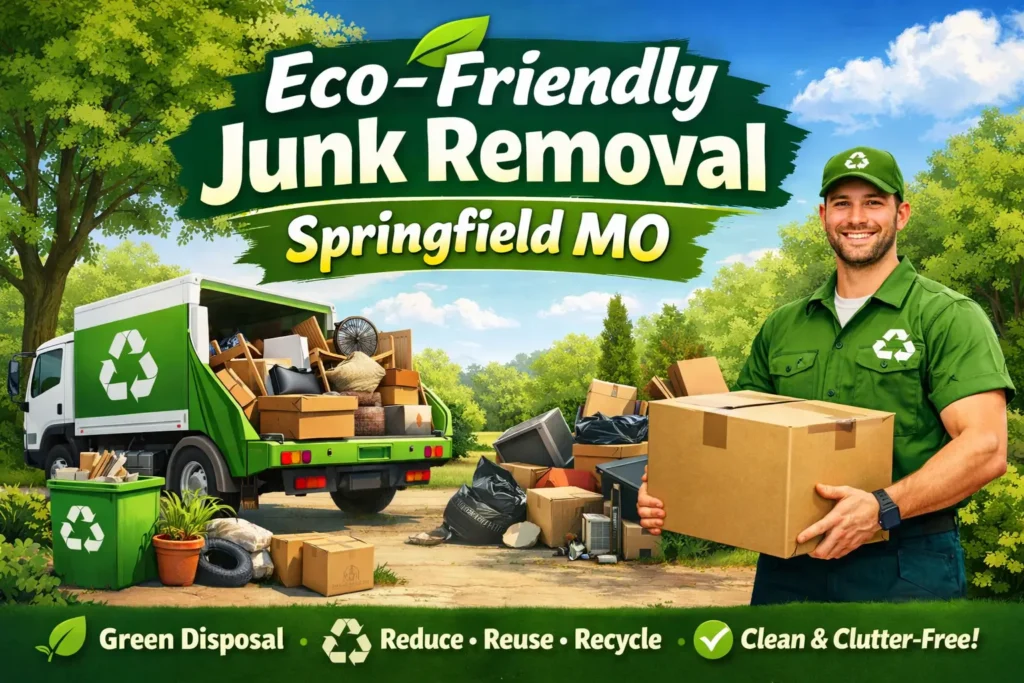
Eco-friendly junk removal changes this pattern. It prioritizes recycling, donation, and responsible disposal. The goal isn’t just clearing your space—it’s protecting our local environment while helping our neighbors.
Traditional junk removal focuses on speed. Grab everything, toss it in a truck, drive to the nearest dump. Done. But this approach wastes resources and harms our community. Springfield deserves better.
The Journey of Your Furniture After Removal
Your old couch doesn’t have to end up in a landfill. Here’s what happens when you choose eco-conscious junk removal.
First, the removal team evaluates each item. Can it be repaired? Is it still functional? Does someone else need it? These questions determine the next steps.
Furniture in good condition goes to local charities. Organizations like The Salvation Army, Habitat for Humanity ReStore, and local shelters need couches, tables, chairs, and beds. Families moving into new homes need these items. Your unwanted furniture becomes someone else’s fresh start.
Damaged furniture gets sorted by material. Wood gets separated for recycling or repurposing. Metal frames go to scrap yards. Fabric and foam often can’t be recycled, but responsible companies minimize what ends up in landfills.
Springfield has several donation centers that accept furniture. But not all junk removal services take the extra time to drive there. Ask your provider where your furniture will actually end up. If they can’t give you a clear answer, that’s a red flag.
What Happens to Electronics and Appliances
Electronics contain valuable materials. They also contain toxic substances that shouldn’t touch our groundwater. When old computers, TVs, and phones go to landfills, lead, mercury, and cadmium leak into the environment.
E-waste recycling breaks down electronics into component parts. Copper wiring gets extracted and reused. Circuit boards contain gold, silver, and palladium—precious metals worth recovering. Plastics get sorted and processed. Glass from monitors and screens gets recycled separately.
Springfield has designated e-waste recycling facilities. Eco-friendly junk removal companies partner with these facilities to ensure proper disposal. Your old laptop gets dismantled by trained technicians who know how to handle hazardous materials safely.
Appliances follow a similar path. Refrigerators and air conditioners contain refrigerants that damage the ozone layer. These chemicals must be removed by certified professionals before the metal casing gets recycled. Washers, dryers, and dishwashers get stripped for metal, which goes to scrap yards.
Some appliances still work fine. Maybe you upgraded to a newer model. Maybe you’re moving and don’t want to take them along. Working appliances get donated to families who need them. Local nonprofit organizations often run appliance donation programs.
Where Construction Debris and Yard Waste Go
Renovating your home creates piles of debris. Drywall, lumber, concrete, shingles—this stuff can’t just disappear. But much of it can be recycled or repurposed.
Wood from demolition projects often gets sorted. Clean lumber without nails or paint can be reused in new construction. Damaged wood gets chipped and turned into mulch or fuel for biomass energy plants.
Concrete and brick get crushed into aggregate. This crushed material becomes base material for new roads, driveways, and construction projects. It’s cheaper than mining new stone and keeps debris out of landfills.
Metal components—nails, pipes, wiring, ductwork—all go to scrap yards. Metal recycling is profitable, which means most junk removal companies already prioritize it. But eco-friendly services take it further by sorting more carefully and recovering smaller pieces.
Yard waste follows different rules. Branches, leaves, and grass clippings belong in composting facilities, not landfills. When organic material decomposes in landfills without oxygen, it produces methane—a greenhouse gas that’s worse than carbon dioxide. Composting turns yard waste into nutrient-rich soil that gardeners and landscapers use.
Springfield has yard waste drop-off locations. Some junk removal companies include this service. Others just toss everything together. Ask before you hire.
How Donations Help the Springfield Community
Donation isn’t just about keeping items out of landfills. It’s about supporting people who need help.
Local charities rely on furniture and household items to assist families transitioning out of homelessness, domestic violence survivors starting over, and refugees building new lives in Springfield. Your old dining table might become the gathering place for a family that’s never had one.
Clothing donations support job training programs. Thrift stores run by nonprofits generate revenue that funds community services. When you donate through a responsible junk removal service, you’re contributing to this cycle of support.
But not everything can be donated. Charities have standards. Stained mattresses, broken electronics, and moldy furniture get rejected. Eco-friendly junk removal companies know these standards and only deliver items that charities can actually use. Less responsible companies dump unsellable items on charity loading docks, forcing nonprofits to pay disposal fees.
The Recycling Process for Different Materials
Recycling sounds simple. Put items in bins, trucks haul them away, and somehow they become new products. But the reality involves complex sorting and processing.
Paper and cardboard get pulped, cleaned, and reformed into new paper products. Springfield’s recycling facilities handle mixed paper, but contamination remains a problem. Pizza boxes with grease stains can’t be recycled. Neither can paper mixed with food waste.
Plastic recycling is more complicated. Those numbers on the bottom of containers matter. Type 1 (PET) and Type 2 (HDPE) plastics get recycled easily. Types 3 through 7 often end up in landfills because recycling facilities can’t process them economically.
Glass recycling works well when glass is sorted by color. Clear, green, and brown glass get melted down and reformed. But broken glass mixed with other materials becomes contamination that ruins entire recycling loads.
Metal recycling is the success story. Aluminum, steel, copper, and brass all get recycled efficiently. Scrap metal has real market value, which drives the recycling industry. Your old filing cabinet might become part of a car frame or new appliances.
What Actually Goes to Landfills
Even eco-friendly junk removal can’t recycle or donate everything. Some items have nowhere else to go.
Contaminated materials—anything with mold, biohazards, or chemical damage—usually can’t be recycled or donated. Heavily damaged items that are beyond repair also end up in landfills.
Composite materials create problems. Furniture made from particleboard, laminate, and fabric can’t be separated easily. Mattresses contain springs, foam, fabric, and wood all compressed together. Specialized recycling facilities exist, but they’re rare and expensive to use.
Responsible junk removal companies minimize landfill waste by sorting carefully. They separate recyclables, pull out donations, and only send truly unusable items to dumps. Less responsible companies skip these steps because they take time and effort.
Springfield’s landfills have limited capacity. Every truckload of junk that could have been recycled or donated takes up space that we’ll eventually run out of. Choosing eco-friendly junk removal extends the life of our local landfills and reduces the need for new dump sites.
How to Choose an Eco-Friendly Junk Removal Service
Not all junk removal companies in Springfield operate the same way. Here’s what to look for.
Ask directly: “What percentage of items do you recycle or donate?” Good companies track these numbers. If they can’t give you an answer, they’re probably not prioritizing eco-friendly disposal.
Request specific information about where items go. Which donation centers do they work with? Which recycling facilities? Can they provide names and addresses? Transparency indicates responsible practices.
Check if they sort items on-site or just load everything together. Eco-friendly services take time to separate materials. This costs more in labor but results in better outcomes for the environment.
Look for certifications or partnerships with environmental organizations. Some companies advertise green practices but don’t follow through. Memberships in waste reduction programs or recycling associations show genuine commitment.
Read reviews that mention donation and recycling. Previous customers often comment on whether companies actually followed through on eco-friendly promises. Pay attention to these details.
The Environmental Impact of Your Choices
Your decision about junk removal affects Springfield’s environment in measurable ways.
Landfills take decades to decompose organic materials. Anaerobic decomposition creates methane emissions. Landfill leachate contaminates groundwater. Recycling and composting avoid these problems.
Manufacturing new products from raw materials requires energy and creates pollution. Recycling uses less energy. Making aluminum from recycled metal uses 95% less energy than mining and processing new aluminum.
Donation extends product lifecycles. When someone uses your old dresser instead of buying new, that reduces demand for lumber, manufacturing, and transportation. The environmental savings multiply across every donated item.
Springfield’s air quality, water quality, and natural spaces all benefit when we reduce waste. Local wildlife, parks, and waterways stay healthier. Future generations inherit less pollution and more resources.
Common Items That Surprise People
Some items end up in unexpected places after junk removal.
Old mattresses can be recycled through specialized facilities that separate springs, foam, and fabric. Springfield doesn’t have a mattress recycling center yet, but some junk removal services transport them to facilities in nearby cities.
Books in good condition go to libraries, schools, and literacy programs. Damaged books get pulped and recycled into new paper. Some companies just toss them, but eco-friendly services find better options.
Hazardous materials like paint, chemicals, and batteries require special handling. Springfield has hazardous waste collection events throughout the year. Responsible junk removal companies won’t just throw these items in a truck—they’ll direct you to proper disposal options.
Scrap metal has value. Even small amounts of copper, brass, or aluminum add up. Eco-friendly services recover this metal instead of burying it.
Cost Comparison: Eco-Friendly vs. Traditional
Eco-friendly junk removal sometimes costs more than basic hauling. Here’s why the difference is worth it.
Traditional services prioritize speed. Load everything fast, drive to the nearest landfill, dump it all. Minimal labor, minimal cost. But this approach externalizes costs onto the environment and community.
Eco-friendly services invest more time in sorting. They drive to multiple locations—recycling facilities, donation centers, specialized processors. This takes longer and burns more fuel. But the environmental benefits justify the extra expense.
Many eco-friendly companies offset costs by selling scrap metal and other recyclables. They build relationships with donation centers that pick up items, reducing transportation costs. Some offer competitive pricing despite better practices.
Consider the value you’re getting. Eco-friendly junk removal includes peace of mind. You know your items aren’t just piled in a dump. You’re contributing to community support through donations. You’re reducing environmental harm.
Springfield’s Waste Management Infrastructure
Understanding local waste management helps you make better decisions.
Springfield operates the Noble Hill Landfill, which serves Greene County. This facility handles residential and commercial waste but has limited capacity. Extending its operational life requires reducing the volume of waste sent there.
The Springfield Materials Recovery Facility processes recyclables collected from curbside bins. But this facility only handles certain materials. Bulk items, construction debris, and many other junk removal materials don’t go through this system.
Several donation centers operate in Springfield. The Salvation Army, Habitat for Humanity ReStore, and various thrift stores accept furniture and household items. But they all have different standards and capacity limits.
Scrap metal yards purchase metal by weight. Springfield has multiple facilities that buy aluminum, steel, copper, and other metals. This creates economic incentives for recycling.
E-waste recycling happens through specialized companies. Missouri has e-waste regulations that require proper disposal of electronics. Certified recyclers follow these rules and provide documentation.
The Role of Responsible Disposal in Property Value
Clean properties attract buyers and renters. But how you clear junk matters for long-term value.
Properties with illegal dumping violations face fines. When junk removal companies dispose of items improperly and authorities trace it back to your address, you’re liable. Choosing reputable services protects you from this risk.
Environmental contamination affects property value. If hazardous materials from improper disposal seep into soil or groundwater, remediation costs thousands of dollars. Responsible junk removal prevents this nightmare scenario.
Neighbors notice when you bring in junk removal services. Using eco-friendly companies demonstrates community responsibility. It shows you care about more than just your property—you care about Springfield’s environment.
How Junk Removal Connects to Disaster Recovery
Natural disasters and emergencies create sudden needs for junk removal. Floods, storms, and fires generate debris that requires careful handling.
Water-damaged items often can’t be salvaged. Mold growth makes furniture, carpets, and drywall hazardous. These items need rapid removal to prevent health risks.
But even disaster cleanup can follow eco-friendly practices. Separating metal, wood, and concrete allows for recycling. Uncontaminated materials don’t have to end up in landfills just because they came from a disaster site.
Springfield has experienced floods and severe weather. Local junk removal companies that understand disaster cleanup protocols can respond quickly while still prioritizing responsible disposal.
Questions to Ask Before Hiring
Get clear answers before committing to any junk removal service.
Where exactly will my furniture go? If it’s in good condition, which donation center? If it’s damaged, what happens next?
What percentage of items do you typically recycle or donate? Companies tracking this metric care about their environmental impact.
Do you sort items, or do you load everything together? Sorting indicates commitment to eco-friendly practices.
How do you handle electronics and appliances? Proper e-waste disposal requires specific procedures.
Can you provide documentation about where items were disposed? Some companies offer receipts or reports detailing donation and recycling.
What happens to items that charities reject? Responsible services have backup plans for items that can’t be donated.
Making the Right Choice for Springfield
Every junk removal decision adds up. When enough people choose eco-friendly options, we collectively reduce landfill waste, support local charities, and protect our environment.
Springfield’s future depends on how we handle waste today. Our landfills, our waterways, and our community all benefit from responsible choices.
You have options. Companies that prioritize recycling and donation exist. They might cost slightly more, but they deliver value beyond just hauling junk away.
Ask questions. Demand transparency. Choose companies that can explain exactly where your items will go and why it matters.
Need Eco-Friendly Junk Removal in Springfield, MO?
Easy Cleanouts LLC offers junk removal, cleanouts, and disaster cleanup services throughout Springfield, MO. We prioritize recycling and donation, ensuring your items don’t just end up in landfills.
Our team sorts items carefully, partners with local charities, and works with certified recycling facilities. We handle everything from furniture and appliances to construction debris and yard waste.
Fast and affordable property cleanout services that actually care about where your junk goes. We serve residential and commercial properties throughout the Springfield area.
When you choose Easy Cleanouts LLC, you get efficient service plus the peace of mind that comes from eco-friendly disposal. We’ll tell you exactly where your items end up—no vague promises, just honest practices.
Contact Easy Cleanouts LLC today for junk removal that helps your property and your community. Let’s clear your space the right way.