
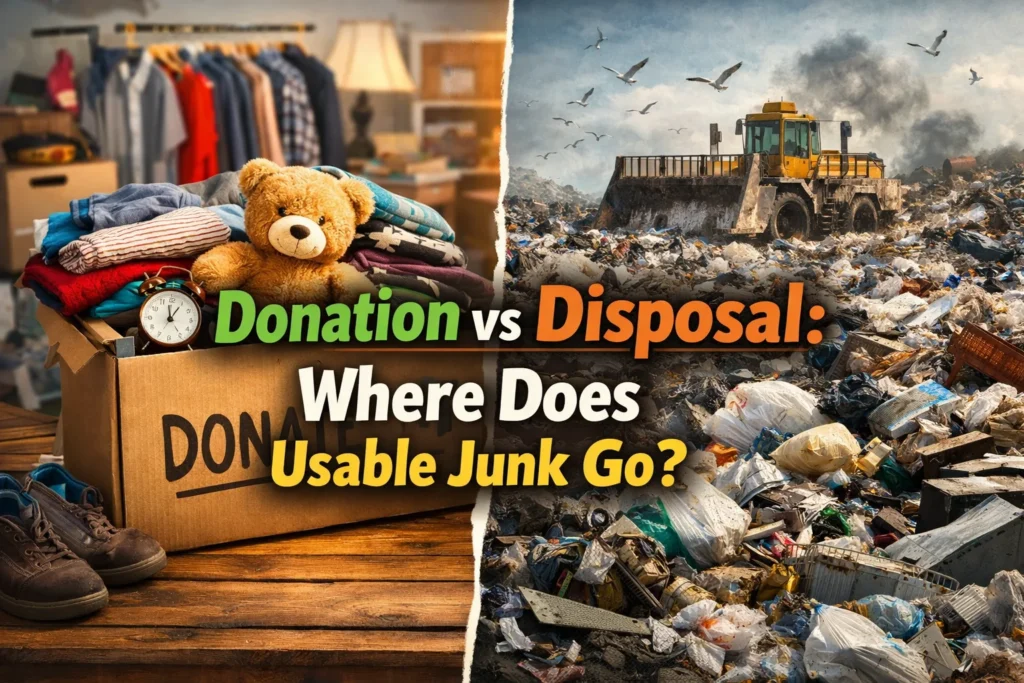
The decisions you make about usable junk affect your community, the environment, and even your wallet. A working lamp gathering dust in your attic could light up a college student’s first apartment. That old dresser taking up space in the basement could help a family getting back on their feet after hard times.
But not everything deserves a second life elsewhere. Some items—despite looking fine—should go straight to proper disposal. Knowing the difference saves time, prevents frustration, and ensures your unwanted belongings end up where they can do the most good.
This guide breaks down exactly where usable junk goes, how to decide between donation and disposal, and what options exist right here in Springfield, Missouri.
Understanding the True Value of Your Unwanted Items
Before tossing anything in a pile, take a moment to assess what you’re actually dealing with. That “junk” in your home falls into several categories, each with different end-of-life options.
Items That Almost Always Have Donation Value
Certain belongings consistently find new homes through donation channels. Furniture in decent condition tops the list. Tables, chairs, dressers, bed frames, and sofas that still function properly are always in demand at local charities and thrift stores. Minor scratches or wear don’t disqualify these pieces—they just add character.
Working appliances represent another high-value donation category. Microwaves, toasters, coffee makers, and small kitchen gadgets that still work reliably help families equip their homes without breaking the bank. Larger appliances like refrigerators and washing machines can be donated too, though logistics become more complicated.
Clothing in good condition remains one of the most commonly donated items. If you’d feel comfortable handing the shirt, pants, or dress to a friend, it’s donation-worthy. Stains, tears, and excessive wear cross the line into disposal territory.
Books, toys, sporting goods, and home décor items round out the usual donation suspects. These everyday items cycle through thrift stores constantly because demand never stops.
Items That Seem Donatable But Often Aren’t
Here’s where things get tricky. Some belongings look perfectly usable but charity organizations won’t accept them. Understanding these limitations prevents wasted trips and frustration.
Mattresses top the rejection list at most donation centers. Hygiene concerns, bed bug risks, and sanitation regulations make mattresses difficult to accept. Some organizations take mattresses in pristine condition with proof of purchase, but these exceptions are rare. Most mattresses head to specialized recycling facilities or landfills.
Older televisions—especially bulky CRT models—face similar problems. The technology is outdated, demand is minimal, and disposal costs make them unattractive to charities. Modern flat-screen TVs in working condition fare better.
Car seats and baby equipment create liability issues for donation organizations. Safety standards change frequently, recalls happen, and the risk of accepting compromised child safety equipment outweighs potential benefits for most charities. Unless you’re giving these items directly to someone you know, disposal or specialized recycling makes more sense.
Heavily worn furniture, broken appliances, and items with missing parts generally don’t make the donation cut either. Charities lack resources to repair or refurbish items—they need merchandise ready to sell.
The Donation Decision Framework
Making smart choices about what to donate requires honest assessment. Here’s a practical framework for evaluating your items.
The Friend Test
Ask yourself one question: Would you give this item to a friend without feeling embarrassed? If the answer is yes, donation works. If you’d apologize while handing it over or feel the need to explain its condition, consider other options.
This test cuts through emotional attachment and sentimentality. That old recliner might hold memories, but if the upholstery is torn and the mechanism sticks, no charity wants it.
The Functionality Check
Does the item work as intended? A lamp that lights up, a chair you can sit in, a tool that performs its function—these pass the basic functionality threshold. Items requiring repair, missing pieces, or operating at diminished capacity usually don’t belong in donation bins.
Partial functionality creates grey areas. A vacuum that still suctions but has a broken attachment might find a home with the right person. A DVD player missing its remote could work for someone who doesn’t mind manual controls. Use judgment here, but lean toward disposal when functionality is significantly compromised.
The Safety Consideration
Some items pose safety risks that eliminate donation as an option entirely. Recalled products, items with sharp edges or exposed wiring, damaged sporting equipment, and anything that could injure the next user should go to disposal.
When in doubt about safety, dispose responsibly. No charity wants the liability of selling something that could hurt a customer.
Where Donated Items Actually Go
Understanding the journey your donated belongings take helps put the process in perspective. The path from your home to a new owner involves several possible routes.
Traditional Thrift Stores
Goodwill, Salvation Army, and local thrift stores represent the most common donation destinations. These organizations sort, price, and sell donated goods to fund their charitable programs. Not everything that arrives gets sold—thrift stores reject items that don’t meet their standards and dispose of them accordingly.
The best thrift store donations are clean, functional, and ready to sell. Washing clothes, wiping down furniture, and testing electronics before donating increases the chances your items make it to the sales floor.
Specialty Charities and Nonprofits
Beyond general thrift stores, specialized organizations accept specific item categories. Habitat for Humanity ReStores take building materials, tools, and home improvement items. Dress for Success collects professional clothing for job seekers. Animal shelters accept blankets, towels, and pet supplies.
Matching your donations to organizations that specifically want them maximizes impact. A formal suit means more to Dress for Success than a general thrift store.
Direct Community Distribution
Some donations never hit retail shelves. Churches, homeless shelters, disaster relief organizations, and community outreach programs distribute items directly to people in need. Furniture, household essentials, and clothing often flow through these channels without any sales transaction.
For large furniture pieces or household goods, connecting with local churches or community organizations can streamline the donation process while ensuring items reach families who need them most.
Resale and Online Platforms
Not every usable item belongs at a charity. Higher-value belongings—antiques, collectibles, designer clothing, quality furniture—might generate more value through resale. Facebook Marketplace, Craigslist, and consignment shops offer alternatives that put money in your pocket while extending item lifespans.
Consider resale for items worth $50 or more. Below that threshold, the time investment often doesn’t justify the return.
When Disposal Is the Right Choice
Donation isn’t always the answer. Sometimes responsible disposal serves everyone better than forcing an item into the donation stream.
Items Beyond Their Useful Life
Everything wears out eventually. Furniture with broken structural components, appliances that no longer function safely, and textiles worn beyond recognition have reached the end. Attempting to donate these items wastes everyone’s time—yours, the charity’s, and the sorting staff who must deal with them.
Accepting this reality doesn’t mean contributing to environmental problems. Proper disposal channels exist for items that can’t be reused.
Hazardous Materials and Special Waste
Paint, chemicals, electronics, batteries, and certain household products require specialized disposal. These items should never enter regular trash streams or donation channels. Most communities offer periodic hazardous waste collection events or permanent drop-off locations.
Springfield residents can access hazardous waste disposal through the city’s environmental programs. Taking these items to proper facilities protects groundwater, soil, and community health.
Construction and Renovation Debris
Home improvement projects generate substantial waste that doesn’t fit donation categories. Drywall, old flooring, demolition materials, and construction scraps need proper debris removal. While some building materials can be recycled or salvaged, most renovation waste heads to appropriate disposal facilities.
If you’re dealing with construction debris, our guide on how to safely remove construction debris after a home renovation covers the process in detail.
Responsible Disposal Options in Springfield
When items can’t be donated, several disposal pathways ensure they’re handled appropriately.
Recycling Programs
Springfield’s recycling programs accept many materials that don’t qualify for donation. Cardboard, paper, plastics, glass, and metals flow through municipal recycling. Electronics recycling programs handle computers, phones, and other tech devices that shouldn’t enter landfills.
Recycling recovers valuable materials while reducing landfill burden. Even when items can’t serve their original purpose, their raw materials often can.
Bulky Item Pickup and Drop-Off
Large items that can’t be donated often qualify for special pickup or drop-off programs. Couches, mattresses, large appliances, and oversized furniture pieces fall into this category. Check with local waste management services about scheduling bulky item collection.
Professional Junk Removal Services
For significant cleanout projects—estates, rental turnovers, hoarding situations, or major decluttering—professional junk removal makes sense. These services handle sorting, hauling, and disposal logistics while you focus on other priorities.
Reputable junk removal companies don’t simply dump everything in landfills. They sort items for donation, recycling, and proper disposal based on condition and material. This approach minimizes environmental impact while saving you the headache of managing multiple disposal channels.
For eco-conscious disposal options in our area, check out our overview of eco-friendly junk removal in Springfield, MO.
The Environmental Impact of Your Choices
Every donation and disposal decision carries environmental consequences. Understanding these impacts helps inform better choices.
Landfill Realities
When usable items hit landfills, resources go to waste. The energy, materials, and labor that created those items disappear permanently. Landfill space—while seemingly abundant—represents finite capacity that future generations will need.
Donating and recycling diverts materials from landfills. Even modest efforts add up across communities. That dresser you donate instead of tossing represents wood, hardware, and manufacturing energy preserved rather than buried.
The Carbon Footprint of New Production
Every donated item that finds a new home potentially prevents the manufacture of a replacement. New furniture, appliances, and goods require raw material extraction, manufacturing energy, and transportation emissions. Extending existing items’ useful lives through donation reduces demand for new production.
Local Economic Benefits
Donations to local charities support community programs and create local jobs. Thrift stores employ staff, generate sales tax revenue, and fund charitable missions. Your donation doesn’t just help the person who buys the item—it strengthens the broader community network.
Common Cleanout Scenarios and Recommended Approaches
Different situations call for different strategies. Here’s how to handle some common cleanout scenarios.
Estate Cleanouts
Estate cleanouts present unique challenges. Emotional attachments, large volumes of belongings, and time pressure complicate decision-making. The key is systematic approach: start with obvious donations, identify items for family distribution, set aside anything requiring specialized disposal, and address the remainder methodically.
Estate cleanouts often reveal valuable items buried among everyday belongings. Antiques, collectibles, and vintage pieces deserve careful evaluation before donation or disposal. When time is limited or the task feels overwhelming, professional assistance helps families navigate these difficult situations.
Downsizing and Senior Moves
Seniors transitioning to smaller living spaces face tough choices about lifetime accumulations. The goal is identifying essentials for the new space while responsibly handling everything else.
Start the process early—months before moving day if possible. This allows time for thoughtful decision-making, proper donation coordination, and family distribution of meaningful items. Rushed downsizing often results in regret about items hastily discarded.
Hoarding Situations
Hoarding cleanouts require sensitivity and often professional intervention. Years or decades of accumulation create overwhelming volumes that exceed typical cleanup capabilities. Safety concerns—structural issues, pest infestations, hazardous materials—frequently complicate these projects.
Professional cleanout services experienced with hoarding situations understand the emotional and logistical challenges involved. They can sort salvageable items from trash while maintaining compassion for the person affected.
Rental Property Turnovers
Landlords and property managers regularly face cleanouts when tenants leave belongings behind. Time pressure to prepare units for new renters often limits donation opportunities. Still, quick sorting can identify items worth diverting from landfills.
Professional junk removal services handle rental turnovers efficiently. They sort on-site, donate qualifying items, recycle appropriate materials, and dispose of the rest—usually faster than property managers can manage internally.
How to Know When Professional Help Makes Sense
DIY cleanouts work for modest projects. But certain situations justify calling in professional assistance.
Volume Exceeds Your Capacity
When you’re looking at multiple rooms, a full garage, or an entire property’s worth of items, the scope exceeds what most people can handle alone. Hauling, lifting, and repeated trips to donation centers and disposal facilities add up quickly.
If you’re wondering whether your situation calls for professional help, our article on top 10 signs it’s time to hire a junk removal service in Springfield, MO provides useful benchmarks.
Time Constraints Limit Options
Urgent deadlines—estate sales, property closings, lease endings—sometimes prevent methodical DIY approaches. When the clock is ticking, professional services compress timelines that would otherwise stretch across weeks.
Physical Limitations
Heavy lifting, stairs, and sheer labor demands make some cleanouts physically impossible for certain individuals. Age, health conditions, or simply lacking helping hands can turn manageable projects into impossible ones.
Emotional Difficulty
Estate cleanouts, hoarding situations, and post-disaster cleanups carry emotional weight that compounds physical challenges. Professional distance sometimes makes these projects more manageable for everyone involved.
Making the Most of Your Donation Efforts
When you do donate, a few practices maximize the impact of your contributions.
Prepare Items Properly
Clean clothes before donating. Wipe down furniture and household items. Test electronics to confirm they work. Remove personal items from pockets, drawers, and storage compartments. This preparation respects both the charity receiving your donation and the eventual purchaser.
Donate Strategically
Consider timing donations around high-need periods. Back-to-school season sees increased demand for children’s clothing. Winter months drive need for warm clothing and bedding. Post-holiday periods often see donation center surpluses that reduce visibility for your items.
Document for Taxes
If you itemize deductions, keep records of donated items and their fair market value. Many charities provide receipts, but documenting your donations before drop-off creates backup records. The IRS allows deductions for charitable donations within established guidelines.
Follow Up on Large Items
For furniture, appliances, and other substantial donations, confirm the charity can accept them before arriving. Some organizations have storage limitations or temporarily pause certain categories. A quick phone call prevents wasted trips.
Local Springfield Resources for Donation and Disposal
Springfield offers numerous options for handling usable items responsibly.
Donation Centers
Local Goodwill and Salvation Army locations accept broad item categories. Habitat for Humanity ReStore takes building materials and home improvement items. Various churches and community organizations coordinate donation drives and direct distribution programs.
Recycling Facilities
Springfield’s recycling programs handle standard materials through curbside collection and drop-off centers. Electronics recycling accepts computers, phones, and tech equipment. Specialty programs handle mattresses, tires, and other challenging items.
Hazardous Waste Programs
The city offers hazardous waste collection for paints, chemicals, and materials requiring special handling. These programs protect community health while ensuring proper disposal.
For disaster-related cleanups requiring specialized approaches, our guide on top benefits of hiring a disaster cleanup company in Springfield explains when professional intervention makes sense.
The Bottom Line on Donation vs. Disposal
Every item in your home eventually leaves. How it leaves—donation, recycling, or disposal—determines its final impact on your community and environment.
Donating usable items extends their useful lives, supports local charities, and keeps materials out of landfills. But forcing worn-out, broken, or inappropriate items into donation channels wastes resources and creates problems for organizations trying to do good work.
The most responsible approach combines honest assessment with knowledge of local options. Items that pass the “friend test” head to donation. Materials suitable for recycling go to appropriate facilities. Everything else gets disposed of properly through the right channels.
Whether you’re tackling a weekend closet cleanout or facing a complete estate project, these principles guide better decisions. Your unwanted belongings can still serve purposes beyond your home—they just need the right pathway to get there.
Need Help With Your Springfield Cleanout Project?
When the scale of your cleanout exceeds what you can handle alone, Easy Cleanouts LLC is here to help. We provide fast, affordable junk removal, cleanout, and debris removal services throughout Springfield, Missouri.
Our team handles the sorting, hauling, and disposal logistics so you don’t have to. We donate qualifying items to local charities, recycle appropriate materials, and ensure everything else reaches proper disposal channels.
From single-room decluttering to complete estate cleanouts and disaster cleanup, we’ve earned the trust of Springfield families and property managers alike. Learn more about why Springfield, MO residents trust Easy Cleanouts for cleanup services.
Ready to clear out your space? Contact Easy Cleanouts LLC today for a free estimate. We’ll help you reclaim your property while ensuring your unwanted items end up exactly where they should go.