
Downsizing is one of those projects that sounds simple until you’re standing in a house full of decades of belongings, unsure where to even start. Whether you’re moving to a smaller home, helping a parent transition to assisted living, or just trying to simplify your life, the hardest part usually isn’t the move itself. It’s deciding what to keep, what to donate, and what needs to go. A little structure can make the whole process feel far less overwhelming.
Start With What You Actually Use
Before anything else, walk through the home and separate items into what you’ve genuinely used in the past year versus what’s been sitting untouched. Kitchen gadgets, seasonal clothing, and duplicate tools are common offenders here. If you haven’t reached for something in twelve months, there’s a good chance you won’t miss it once it’s gone. This filter alone usually clears out a surprising amount of clutter before you even get to the harder, more sentimental decisions.
Keep What Truly Matters
Not everything worth keeping is practical, and that’s okay. Photos, a handful of meaningful keepsakes, and furniture with real sentimental or functional value deserve a spot in your new space. The goal of a downsizing cleanout isn’t to strip your life down to the bare minimum, it’s to make sure what you keep actually fits your next chapter, both physically and emotionally. A helpful trick is to limit sentimental items to what fits in a single labeled box per category, which forces some prioritizing without feeling harsh.
What Usually Makes Sense to Donate
Furniture, clothing, dishes, and household goods still in good condition but no longer needed are ideal candidates for donation. Local shelters, thrift stores, and charitable organizations are often happy to take gently used items, and many will schedule a pickup for larger furniture pieces. Donating serves two purposes at once: it clears space faster than selling everything piece by piece, and it keeps usable items out of landfills.
What Typically Needs to Be Removed
Some items simply don’t have a place in donation bins or a smaller home. Broken furniture, outdated electronics, expired chemicals, old mattresses, and general clutter accumulated in garages, attics, and basements usually falls into this category. This is where a professional downsizing cleanout service becomes genuinely useful, since sorting and hauling away years of accumulated items is physically demanding and time-consuming to do alone.
Room-by-Room Beats Whole-House Overwhelm
Trying to tackle an entire house in one weekend is a common mistake that leads to burnout before real progress is made. Instead, work through one room at a time, starting with lower-stakes spaces like the garage or a linen closet before moving into bedrooms and areas with more sentimental items. This mirrors the basic principles of minimalism, where intentional, gradual reduction tends to stick far better than an aggressive one-time purge.
When to Call in Professional Help
If the process feels bigger than a weekend project, or if you’re managing this for an aging parent while juggling your own schedule, professional help can make a real difference. A cleanout crew can clear an entire home in a fraction of the time it would take on your own, sorting donations, recycling, and disposal along the way. If the home also needs work beyond a standard cleanout, such as clearing a garage packed with tools and old furniture, many companies also offer standalone junk and debris removal to handle those areas separately.
Making Peace With the Process
Downsizing often comes with more emotion than people expect, especially when it involves a family home or a parent’s belongings. Give yourself permission to move at a reasonable pace, and remember that letting go of an object doesn’t mean letting go of the memory attached to it. Photographing sentimental items before donating them is a simple way to hold onto the memory without the physical clutter.
How long does a downsizing cleanout typically take?
Most standard cleanouts are completed within one to three days, depending on the size of the home and how much needs sorting. Larger homes with decades of accumulation may take longer.
Should I hire professionals or do it myself?
It depends on your timeline and the size of the job. DIY can work for smaller spaces, but professional help is often worth it for full homes, especially when time, physical labor, or emotional difficulty are factors.
What's the best way to decide what to keep?
A simple rule of thumb is to keep what you’ve used in the past year, what holds real sentimental value, and what genuinely fits your new space. Everything else is a candidate for donation or removal.
Can donated items be picked up instead of dropped off?
Many charities and thrift stores offer pickup services for larger items like furniture, and a professional cleanout crew can also handle sorting and delivering donations as part of the overall job.
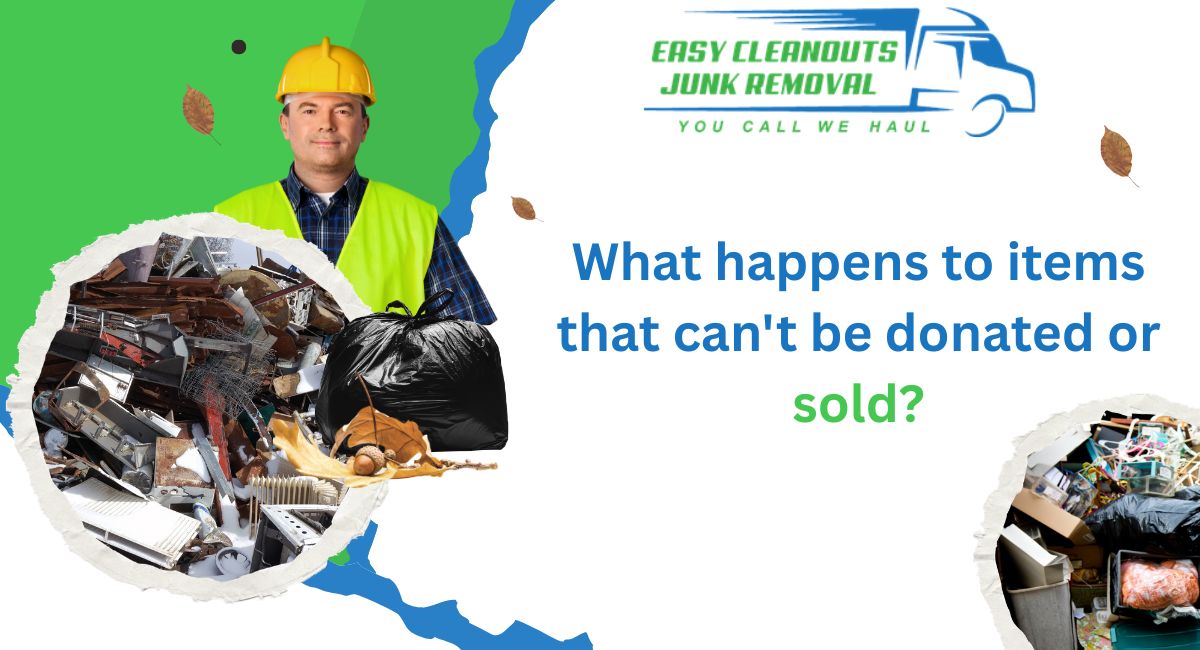
What happens to items that can't be donated or sold?
Broken, damaged, or unusable items are typically disposed of responsibly, with recyclable materials separated out whenever possible rather than sent straight to a landfill.