
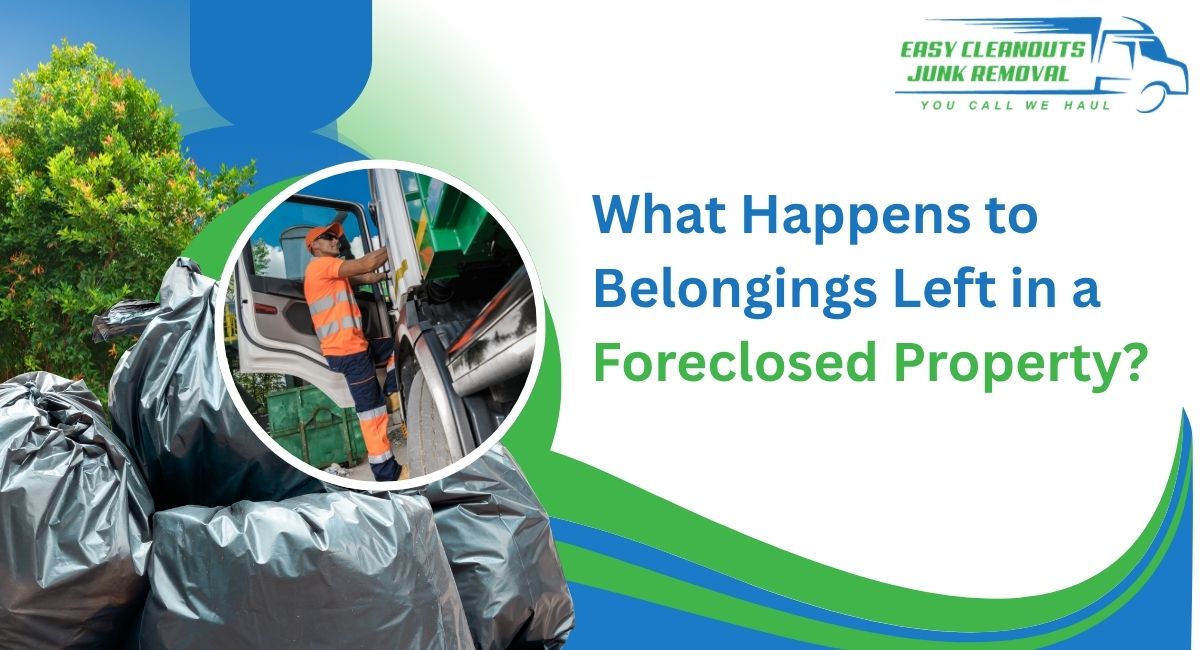
Foreclosure is stressful enough without the added question of what to do with everything left behind once the process is finalized. Whether you’re a lender, an investor, or a new owner who just closed on a foreclosed home, walking into a house full of someone else’s furniture, appliances, and personal items is more common than most people expect. Understanding what happens next, legally and practically, can save you time, money, and a lot of unnecessary stress.
Why Belongings Get Left Behind
Foreclosure rarely gives homeowners a smooth, planned exit. Many families leave in a hurry and simply don’t have the time or bandwidth to pack up an entire household. It’s common to find furniture still in place, closets full of clothing, kitchens stocked with dishes, and garages packed with tools and boxes. In some cases, personal documents and family photos have been left behind in the rush.
This is where foreclosed property cleanouts come in. Someone has to take responsibility for clearing the space before the property can be renovated, listed, or resold, and that responsibility typically falls to the new owner, the bank, or the investor who acquired the home.
What the Law Generally Requires
Laws around abandoned personal property vary by state, but most jurisdictions require some kind of notice period before belongings can be legally disposed of. This often means posting a notice, attempting to contact the former owner, and storing certain items for a set number of days before they can be discarded or donated. Skipping this step can expose a new owner to legal liability, even if the previous homeowner never claims the items.
It’s worth checking your state’s specific requirements around abandoned property before starting a full cleanout, since the foreclosure process itself already varies significantly from state to state. A professional cleanout company that regularly works with foreclosed properties will usually be familiar with these local requirements and can help you stay compliant.
What a Foreclosed Property Cleanout Actually Involves
A thorough cleanout covers everything left inside and often outside the home as well. That includes furniture, mattresses, appliances, clothing, kitchenware, yard debris, and any trash or damaged items accumulated during the foreclosure process. Larger jobs might also involve clearing out garages, sheds, or crawl spaces that have become catch-alls over the years.
Reputable crews typically sort items into categories: donation-worthy furniture and household goods, recyclable materials, and true trash headed for disposal. This keeps usable items out of landfills while making sure hazardous materials, like old paint cans or chemicals, are handled properly rather than tossed in with everything else.
Timing Matters More Than You Think
Every day a foreclosed property sits full of belongings is a day it isn’t generating income, whether that means a delayed renovation, listing, or closing with a new buyer. Investors managing multiple properties feel this pressure especially, since a slow cleanout on one house can throw off contractor schedules across an entire portfolio. Scheduling a cleanout as soon as legally possible after acquiring the property helps keep everything moving.
Working With a Local Cleanout Team
Working with a company that specializes in foreclosed property cleanouts means you’re not figuring this out alone. A good crew will walk the property with you, give you a straightforward quote, and handle the heavy lifting, sorting, and disposal so you can focus on getting the home ready for its next chapter. Many companies also offer related services, like eviction cleanouts and junk and debris removal, if the property needs more than a standard cleanout.
The Bottom Line
Belongings left behind in a foreclosed property aren’t just a nuisance, they’re a legal and logistical responsibility that needs to be handled carefully. Understanding your state’s requirements, working with an experienced cleanout crew, and moving quickly once you’re legally able to can turn a complicated situation into a straightforward one, getting the property renovation-ready without unnecessary delays.
Am I legally required to store items found in a foreclosed property?
In most states, yes, at least for a limited time. Requirements vary, so it’s important to check your local laws before disposing of anything left behind.
How long does a typical foreclosed property cleanout take?
Most cleanouts are completed within one to three days, depending on the size of the property and how much was left inside. Larger homes or properties with significant accumulation may take longer.
What happens to items that are still in good condition?
Usable furniture, appliances, and household goods are typically set aside for donation rather than sent straight to a landfill, whenever local laws and timelines allow for it.
Can I clean out the property myself to save money?
You can, but it often takes longer and costs more once you factor in dumpster rental, disposal fees, and the physical labor involved. A professional crew usually finishes faster and handles everything in one visit.
What if personal documents or valuables are found during the cleanout?
Reputable cleanout companies typically set aside anything that looks like a document, photo, or valuable item so it can be handled separately rather than discarded with the rest.